My Partner Is Going to Rehab. What Should I Do While They're Gone?
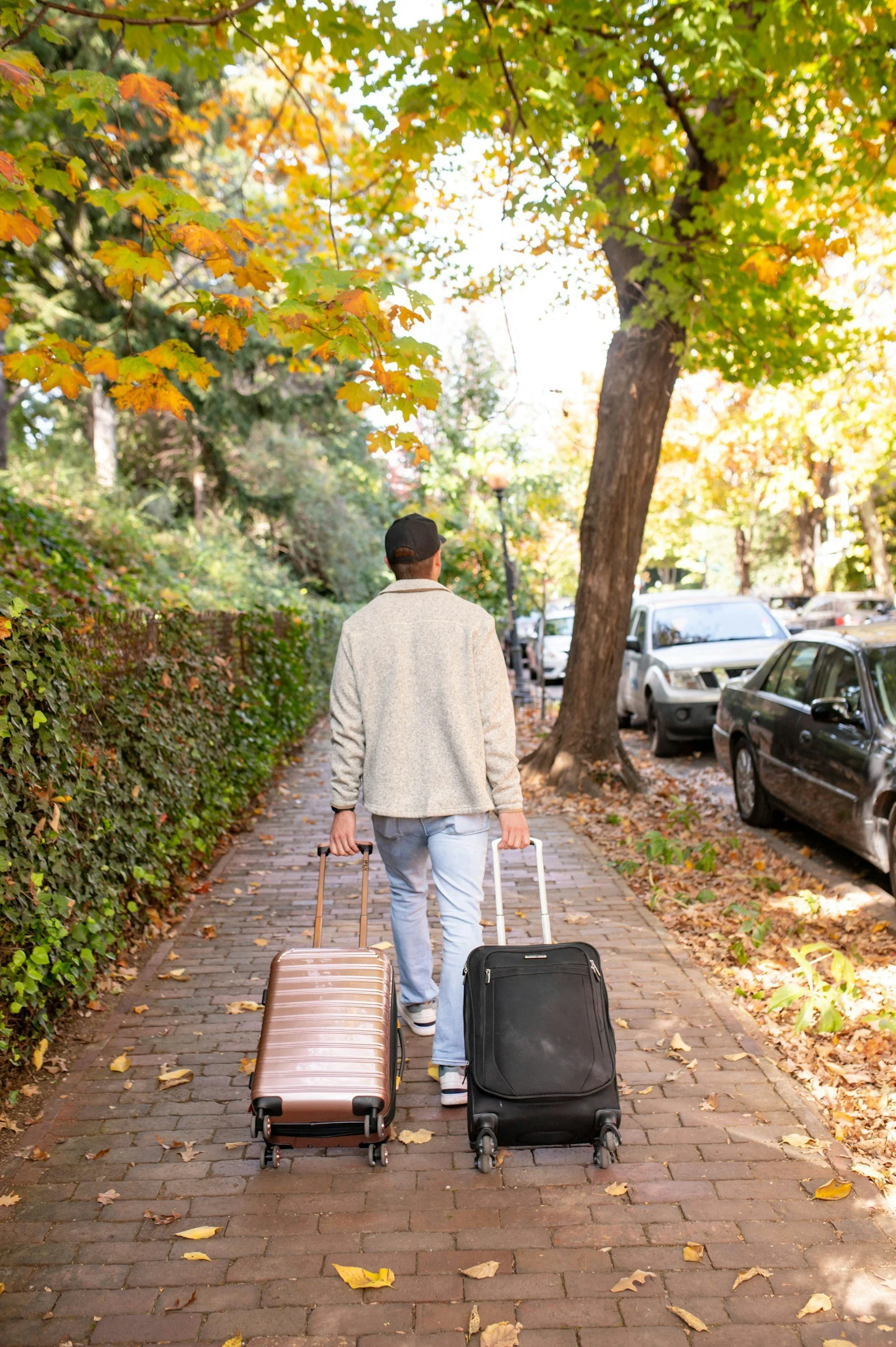
When someone you love enters rehab, life can suddenly feel as though it has been turned upside down. You may feel relieved that they are finally getting help, terrified about what comes next, hopeful that everything is about to change, and resentful that you have been left to carry the responsibilities at home—all at the same time. Many partners tell me they feel guilty for having mixed emotions. They think they should simply be grateful their loved one agreed to treatment. But the truth is that when addiction affects a relationship, everyone has been living with its consequences. While your partner begins the difficult work of recovery, you are also entering a new chapter, whether you realize it or not.
One of the biggest misconceptions about rehab is that it is only the person with the addiction who needs to heal. In reality, addiction changes the emotional rhythm of an entire relationship. Over time, many partners become accustomed to monitoring moods, preventing crises, making excuses, picking up responsibilities, or living with chronic uncertainty. These patterns often develop gradually and out of love, but they can leave the non-addicted partner emotionally exhausted. Your partner's time in treatment is not simply a pause while you wait for them to come home. It is an opportunity for your own healing as well.
Resist the Urge to Put Your Life on Hold
It is natural to spend the first few days wondering what your partner is doing, whether they are safe, or if the treatment is helping. Many people find themselves checking the phone constantly, replaying old conversations, or imagining what life will be like when rehab is over. While those thoughts are understandable, try not to put your own life on hold while waiting for your partner to change.
One of the healthiest things you can do is gently turn your attention back toward yourself. Ask yourself questions you may not have asked in a long time. How has living with addiction affected you? What have you been carrying emotionally? What have you stopped doing because so much of your energy has been focused on your partner's struggles?
For some people, this means reconnecting with friends they have neglected. For others, it means sleeping, exercising, reading, returning to hobbies, or simply experiencing a peaceful evening without waiting for the next crisis. None of these things are selfish. They are part of rebuilding a life that has likely become organized around someone else's addiction.
Many partners discover they have been surviving for so long that they have forgotten what it feels like to truly care for themselves.
Understand That Rehab Is a Beginning, Not a Cure
It is easy to imagine rehab as the moment everything changes. Families often count down the days until discharge, believing life will return to normal once treatment ends. While recovery absolutely brings hope, it is important to have realistic expectations.
Rehab is not the finish line. It is the beginning of a much longer process of learning how to live differently. Your partner will likely leave treatment with new insights, new language, and new recovery tools, but they will also be returning to the same home, the same stressors, and many of the same relationship dynamics that existed before treatment.
Likewise, you may hope your partner returns more communicative, more trustworthy, or more emotionally available. Those changes often happen gradually rather than immediately. Recovery is measured over months and years, not days.
One of the kindest things you can do for yourself is to replace the expectation that rehab will fix everything with the hope that it has opened the door to something new. Hope is healthy. Unrealistic expectations often set couples up for disappointment.
Focus on Your Own Healing, Too
One of the most common questions I ask partners is, "Who has been taking care of you?"
Often, the answer is silence.
Living alongside addiction frequently creates anxiety, hypervigilance, loneliness, grief, and chronic stress. You may have lost trust in your own instincts after repeatedly believing promises that were broken. You may feel angry about the past while simultaneously feeling guilty for being angry.
Those emotions deserve attention.
Consider using this time to begin your own work. Individual therapy can help you understand how addiction has affected your nervous system, your boundaries, and your sense of self. Many people also find tremendous support through groups for families and loved ones affected by addiction. Hearing, "Me too," from people who truly understand can be profoundly healing.
You might also spend some time reflecting on questions like these:
What boundaries do I need moving forward?
What behaviors can I support, and what behaviors can I no longer accept?
How will I know if recovery is truly becoming part of our relationship?
What kind of partner do I want to be, regardless of what my loved one chooses?
These are difficult questions, but they shift your focus from trying to control another person's recovery toward strengthening your own emotional foundation.
Prepare for a Different Relationship—Not a Return to the Old One
Many couples unknowingly hope that recovery will allow them to pick up where they left off. In reality, the healthiest relationships after addiction are usually new relationships built between two changed people.
Recovery often reshapes routines, friendships, social activities, communication patterns, and even identities. Your partner may need meetings, therapy, accountability, and lifestyle changes that become permanent parts of life. You may need stronger boundaries, greater honesty, and a renewed commitment to caring for yourself instead of rescuing someone else.
This transition can feel surprisingly uncomfortable, even when it is healthy. Old roles begin to disappear. The person who always managed everything may need to loosen control. The person who depended on others to shield them from consequences must learn greater responsibility. That process takes patience from both partners.
One of the greatest gifts you can offer your partner is encouragement without becoming their recovery manager. Their sobriety belongs to them. Your well-being belongs to you. Healthy relationships are built when both people take responsibility for their own growth rather than attempting to carry each other's.
If you have children, remember that they are adjusting too. They may feel hopeful, skeptical, excited, or fearful about their parent's return. Encourage open conversations without making promises you cannot keep. Rather than saying, "Everything is going to be fine now," you might say, "We're all learning together, and we're going to keep talking about how everyone is doing." Children benefit far more from honesty and consistency than from reassurance that no one can guarantee.
Perhaps the most important thing to remember is this: your partner entering rehab is an act of courage, but your healing matters just as much. Healthy recovery is not only about stopping alcohol or drugs. It is about rebuilding trust, restoring honesty, strengthening emotional intimacy, and creating a relationship where both people can thrive. That work belongs to both partners, and it unfolds one day at a time.
If your relationship has been shaped by addiction, you do not have to navigate this transition alone. Couples therapy can help partners understand the patterns addiction created, rebuild communication, establish healthy boundaries, and create a stronger foundation for the future. Recovery can become the beginning of a healthier relationship—but only if both people are willing to grow alongside it.
About Alison York, LCMHC
Alison York is a Licensed Clinical Mental Health Counselor in Raleigh, North Carolina, specializing in couples counseling and relationship therapy. She works with couples navigating addiction recovery, rebuilding trust after betrayal, improving communication, and creating healthier, more connected relationships. If you and your partner are facing the challenges of recovery, professional support can help you move forward with greater confidence, compassion, and hope. Alison serves clients in Raleigh, Cary, Apex, Durham, and the greater Triangle area.